
As global demand for clean energy continues to grow, the need for reliable and scalable energy storage systems has never been greater. Behind every high-performance battery system lies a sophisticated manufacturing process designed to ensure quality, safety, and long-term reliability.

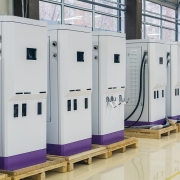
The image above highlights a production line of energy storage units in a modern manufacturing facility. Each system is carefully assembled, inspected, and tested to meet the rigorous standards required for renewable energy applications, industrial power management, and electric vehicle infrastructure.

Precision Engineering in Every System

Energy storage systems require a high level of engineering precision. From battery management systems to thermal protection and power control components, every part must operate seamlessly within a complex electrical architecture.

Modern manufacturing facilities integrate automated assembly processes with strict quality control procedures. This combination ensures that each energy storage unit delivers consistent performance and reliability across a wide range of operating environments.

Ensuring Safety and Performance

Battery storage technology must meet strict safety standards to operate effectively in residential, commercial, and industrial applications. Manufacturing facilities implement multiple testing stages to verify electrical performance, thermal stability, and system durability.

These tests help ensure that every system can safely store and deliver energy under demanding conditions, whether supporting renewable energy grids, backup power solutions, or EV charging infrastructure.

Supporting the Expansion of Renewable Energy

Energy storage manufacturing plays a key role in accelerating the global transition toward sustainable power systems. As solar and wind energy installations expand worldwide, battery systems provide the stability needed to manage fluctuations in renewable generation.

Large-scale manufacturing capabilities allow energy companies to deliver storage solutions that support:

  • Renewable energy integration
  • Grid stabilization and peak load management
  • Industrial energy optimization
  • EV charging infrastructure
  • Backup power and microgrid systems

Driving Innovation in Energy Technology

Manufacturers continue to invest in research, automation, and advanced materials to improve battery efficiency and system performance. Innovations in battery management software, thermal design, and modular architecture are helping create smarter and more adaptable energy storage solutions.

Through continuous innovation and strict manufacturing standards, energy storage providers are helping build a more reliable and sustainable energy ecosystem for the future.

Electric vehicles are rapidly transforming the way people move, offering a cleaner, quieter, and more efficient alternative to traditional transportation. As EV adoption continues to grow worldwide, charging infrastructure has become a critical part of supporting this transition to sustainable mobility.

The image above captures a modern EV owner charging her vehicle while checking charging status on a smartphone. This simple interaction represents the next generation of intelligent energy ecosystems where vehicles, charging systems, and digital platforms work seamlessly together.

Convenient Charging for Everyday Life

One of the key advantages of electric vehicles is the convenience of charging. Unlike traditional refueling, EV charging can happen almost anywhere—at home, at work, in parking garages, or through mobile charging solutions designed to bring power directly to the vehicle.

Smart charging systems allow drivers to monitor charging progress, control energy usage, and manage charging schedules through mobile apps. This level of connectivity gives EV owners greater control over their energy consumption while making charging more efficient and accessible.

Smart Energy Management

Modern EV charging solutions are increasingly integrated with intelligent energy management systems. These platforms help optimize electricity usage by balancing power demand, reducing peak energy costs, and integrating renewable energy sources such as solar power.

By connecting vehicles, chargers, and energy storage systems, smart energy platforms enable a more flexible and efficient power network that benefits both users and the grid.

Supporting the Future of Clean Transportation

As more cities and businesses move toward sustainable transportation, reliable charging infrastructure becomes essential. Mobile charging systems, public charging stations, and integrated energy storage solutions are helping create a robust ecosystem that supports the rapid expansion of electric mobility.

These technologies ensure that drivers can access power wherever it is needed, reducing range anxiety and making EV ownership more practical for everyday use.

A Connected Energy Ecosystem

The future of transportation is not only electric—it is connected. Vehicles, charging stations, and energy management systems are becoming part of a unified digital network designed to improve efficiency, reliability, and sustainability.

With continued innovation in EV charging technology, the transition toward clean mobility will accelerate, bringing us closer to a smarter and more sustainable energy future.

As the world accelerates toward renewable energy, the ability to store power efficiently has become just as important as generating it. Battery Energy Storage Systems (BESS) play a critical role in balancing energy supply and demand, ensuring reliable power delivery even when renewable sources like solar and wind are intermittent.

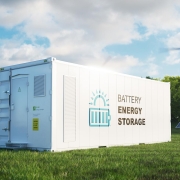
The image above illustrates a modern battery energy storage container deployed in a renewable energy field, surrounded by solar panels and wind turbines. This type of system captures excess electricity produced during peak generation hours and stores it for later use, allowing energy to remain available when production drops or demand increases.

Bridging the Gap Between Generation and Consumption

Renewable energy sources such as solar and wind are naturally variable. Solar panels generate power during daylight hours, while wind turbines rely on changing weather conditions. Battery storage systems bridge this gap by storing surplus energy and releasing it when needed.

This capability allows energy operators and businesses to stabilize the grid, reduce energy waste, and maintain a consistent power supply. By smoothing fluctuations in renewable generation, battery storage enables a more resilient and efficient energy infrastructure.

Supporting Clean Energy Integration

Large-scale battery storage containers like the one shown in the image are designed to integrate seamlessly with renewable energy installations. These systems can support:

  • Solar farms
  • Wind power plants
  • Microgrids
  • Industrial energy management
  • Grid stabilization

By storing clean energy produced by renewable sources, battery systems help reduce reliance on fossil fuels while improving the reliability of sustainable power networks.

Improving Grid Stability and Efficiency

Energy storage systems play a key role in modern grid management. They can quickly respond to fluctuations in electricity demand, delivering stored energy within seconds. This rapid response capability supports grid frequency regulation, peak shaving, and backup power services.

For utilities and energy providers, battery storage helps optimize energy distribution while reducing operational costs. For businesses and communities, it ensures uninterrupted power and improved energy independence.

Enabling a Sustainable Energy Ecosystem

Battery energy storage is a foundational technology for the future of renewable power. By combining solar generation, wind energy, and intelligent storage systems, energy providers can create a flexible and reliable infrastructure that supports long-term sustainability.

As renewable energy adoption continues to grow worldwide, advanced battery storage solutions will remain essential in unlocking the full potential of clean energy.